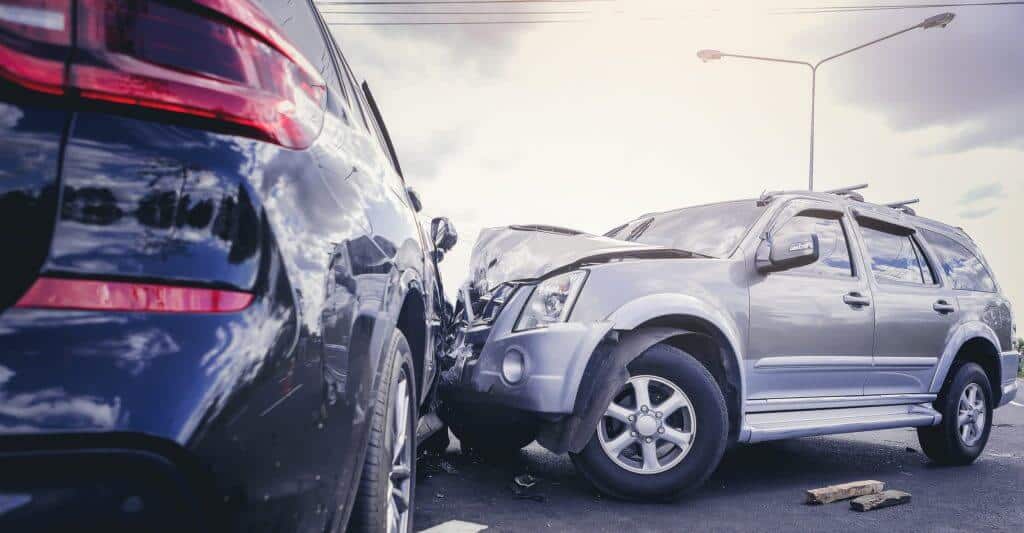
Car Collision and Medical Bills in Florida
The 2018 report on car accidents in Florida shows 403,262 car crashes. According to the stats from the Florida Highway Safety and Motor Vehicles Department, there are a total of 255,353 injuries due to these accidents. If you or your loved one happen to be one of those who got injured in a car accident, who do you think will be paying your medical expenses for treatment?
It’s a question you should not ignore, especially with the escalation in medical bills due to the rise of healthcare costs throughout the country. There are many things you should know when dealing with your medical expenses after a car accident. For instance, how your case will proceed depends on the cost of your medical bills, the severity of your injuries, the insurance of your vehicle, and any health insurance you carry. There could also be other reasons like someone else who is to blame for the accident. Working with an experienced car accident attorney will ensure that you do not miss the chance to get compensation from all liable parties in the accident.
The PIP Coverage is the First Initiation
Florida is a no-fault state when it comes to matters dealing with car accidents and insurances. What does that mean? Well, the name itself is a clear explanation, when there is an accident, regardless of the fault of any party, you’ll first have to raise the claim with your insurance provider. Who is at fault is something that would come later.
In other places, the person who is at-fault and caused the accident may have to pay the damages from the start as the claimant can put his medical expense on the at-fault driver. In Florida, there are some conditions that you first must understand before you can seek to have the at-fault driver to pay your medical bills.
Florida Personal Injury Coverage
For paying medical bills after a car accident, you will first need to reach your insurance provider. The first-time insurance is personal injury protection (PIP) coverage, and the state demands that all car owners who register their vehicles get a PIP cover.
A holder of PIP coverage will pay to the extent of $10,000 or 80 percent of your medical bills falling under $10,000. The immediate concern that follows these conditions is who is going to settle the remaining 20% and what is your medical bill is over $10,000, for instance, $20,000 who will pay the remaining amount? With car accidents, the medical bills can practically go way over $10,00 that is a minimum threshold here. Several factors can add to your medical bills such as payment for emergency rooms, doctors fee, medication costs, other hospitalization charges, and retrofitting expenses, such as sticks.
The PIP coverage will cover anyone in your family who drives your car and got injured in a vehicle collision.
Your Health Coverage Policy
In case you exceed over $10,000, your health insurance is liable to pay that amount. Likewise, if PIP coverage is paying 80% of the medical bills, you can claim the remaining 20% on your health insurance.
Who is at Fault for the Vehicle Accident?
When you go to your health insurance and raise a claim for the remaining medical payments, the question of who is at fault that led to the accident will come up for sure. If your PIP is enough to pay for the expense, you may not pay much attention to the question, but to claim medical costs from health insurance, you need to be ready to answer these questions.
In instances where it is clear that the other party is at fault, your health insurance provider can see compensation from the person at-fault by reaching to his health insurance provider and asking them to pay your medical expenses. In urgent cases, your health insurance can settle all your medical expenses, but later will claim these bills from the party who was at fault by sending the bill claims to the party’s health insurance provider.
Who is at Fault – Determining the At-Fault Driver
The first determinant is to check the reason for the car accident. Having a license obligates drivers to “drivers owe,” i.e., the obligation to drive safely and follow all traffic rules and regulations.
Any violation of following such traffic safety and regulation is negligence, and a person who is liable for carelessness will be responsible for the accident. He will have to pay for the costs of the medical bills or any other liability that may arise from the accident bills. For instance, there is an accident where a driver rear-ended your car. In this case, it is mostly the fault of that driver as it is his responsibility to leave enough space between vehicles to avoid accidents.